

And Then the Light Changes

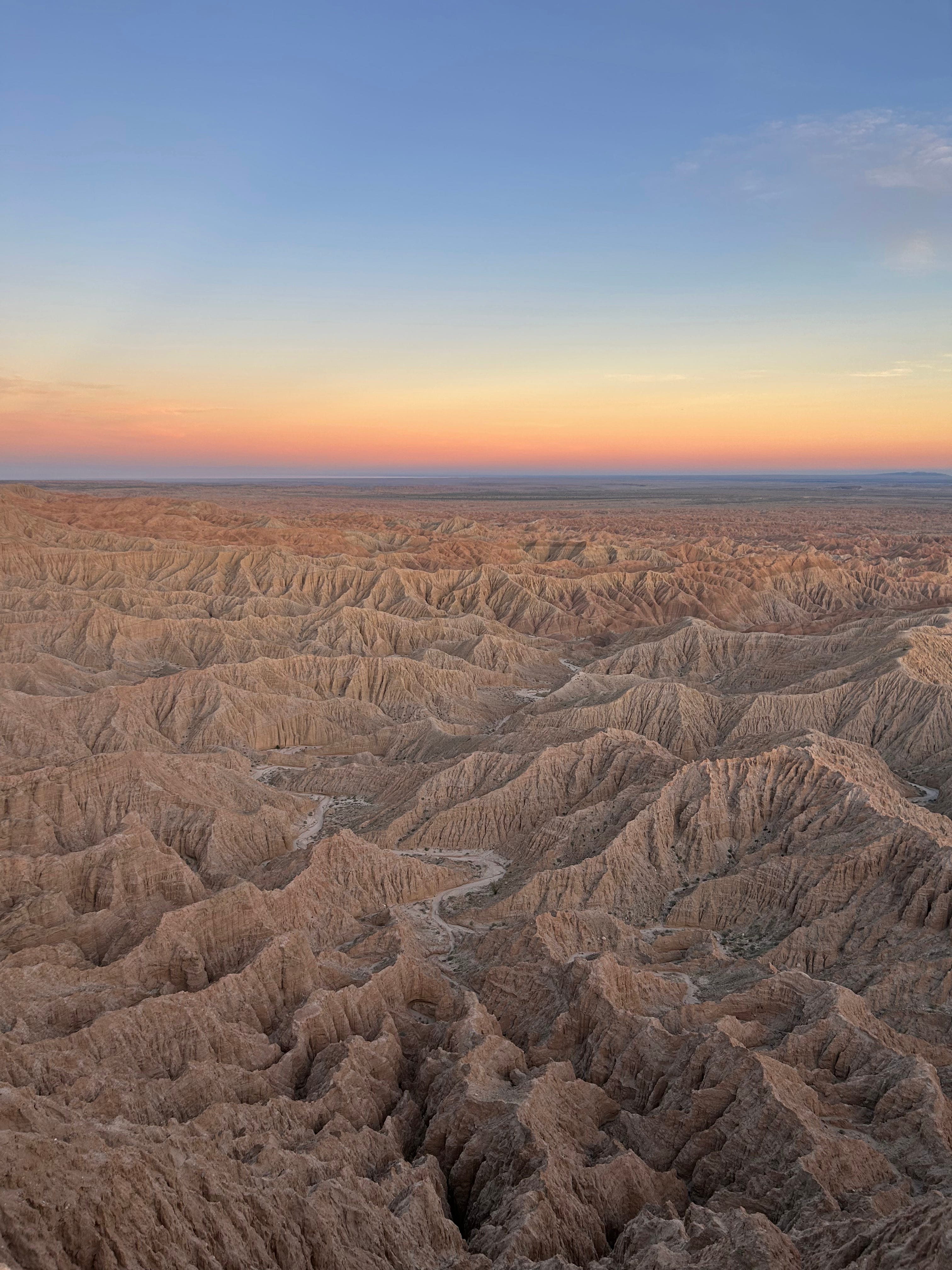
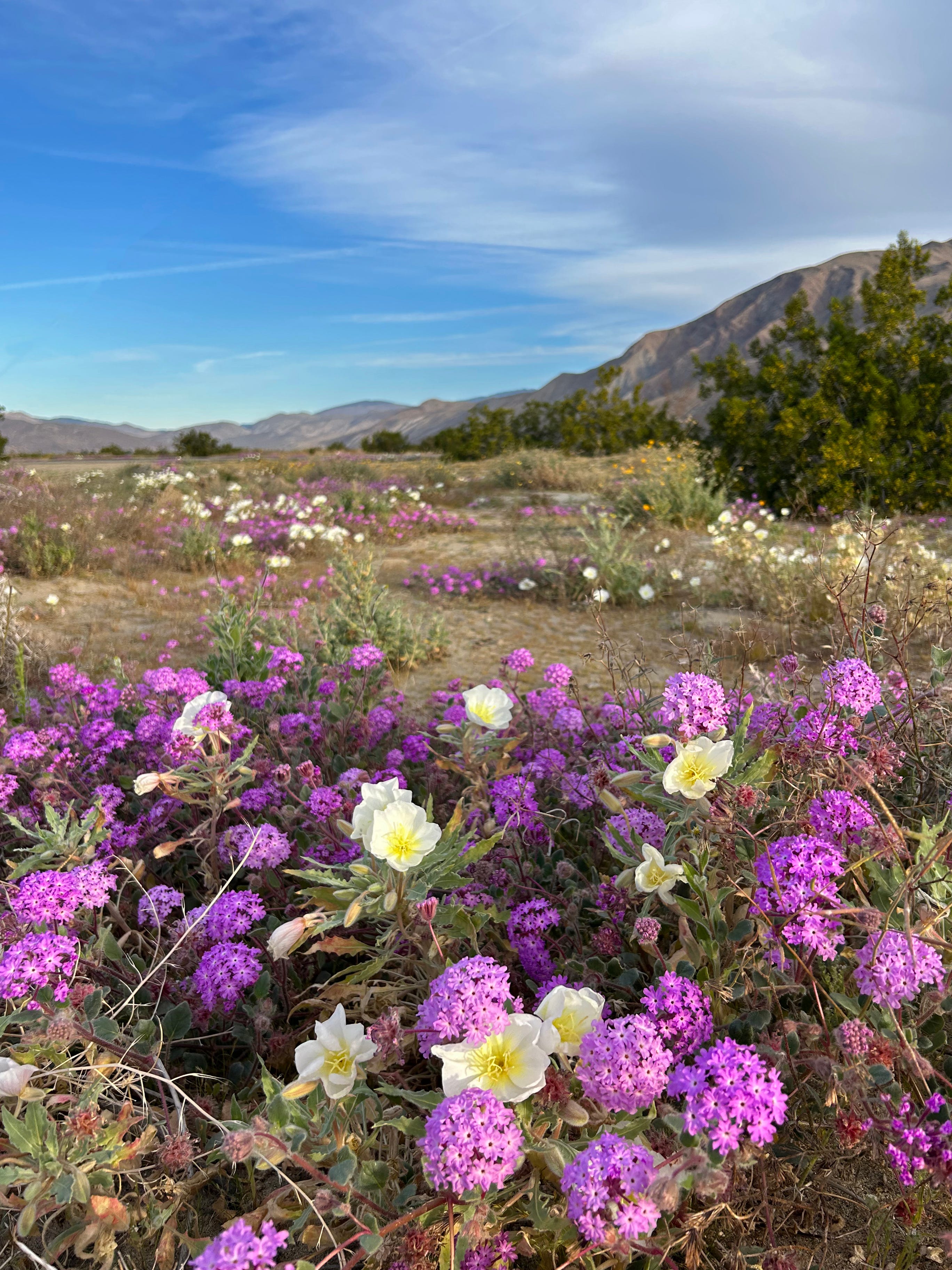
Some roads remain the same, but others change each time I drive them. The roads leading into and through Anza-Borrego are named with a series of similar letters and numbers—State Routes 78 and 79, S-2 and S-22—and although the Coloradan Desert landscapes they connect vary widely, I can’t seem to distinguish one from the other. Is S-2 the old overland stagecoach route originating on the continent’s other coast, or is that S-22? No, S-22 is the asphalt line cutting across the edges of alluvial fans shed by the Santa Rosa Mountains, where wildflowers show up during the winters following good rains. This year, according to the sign outside the visitor center, nearly seven inches have fallen by late February. Last year at this time, just one inch. This place changes like I do—inconsistently—because it is alive. The roads are not, yet they morph in my mind like the land in response to rain.
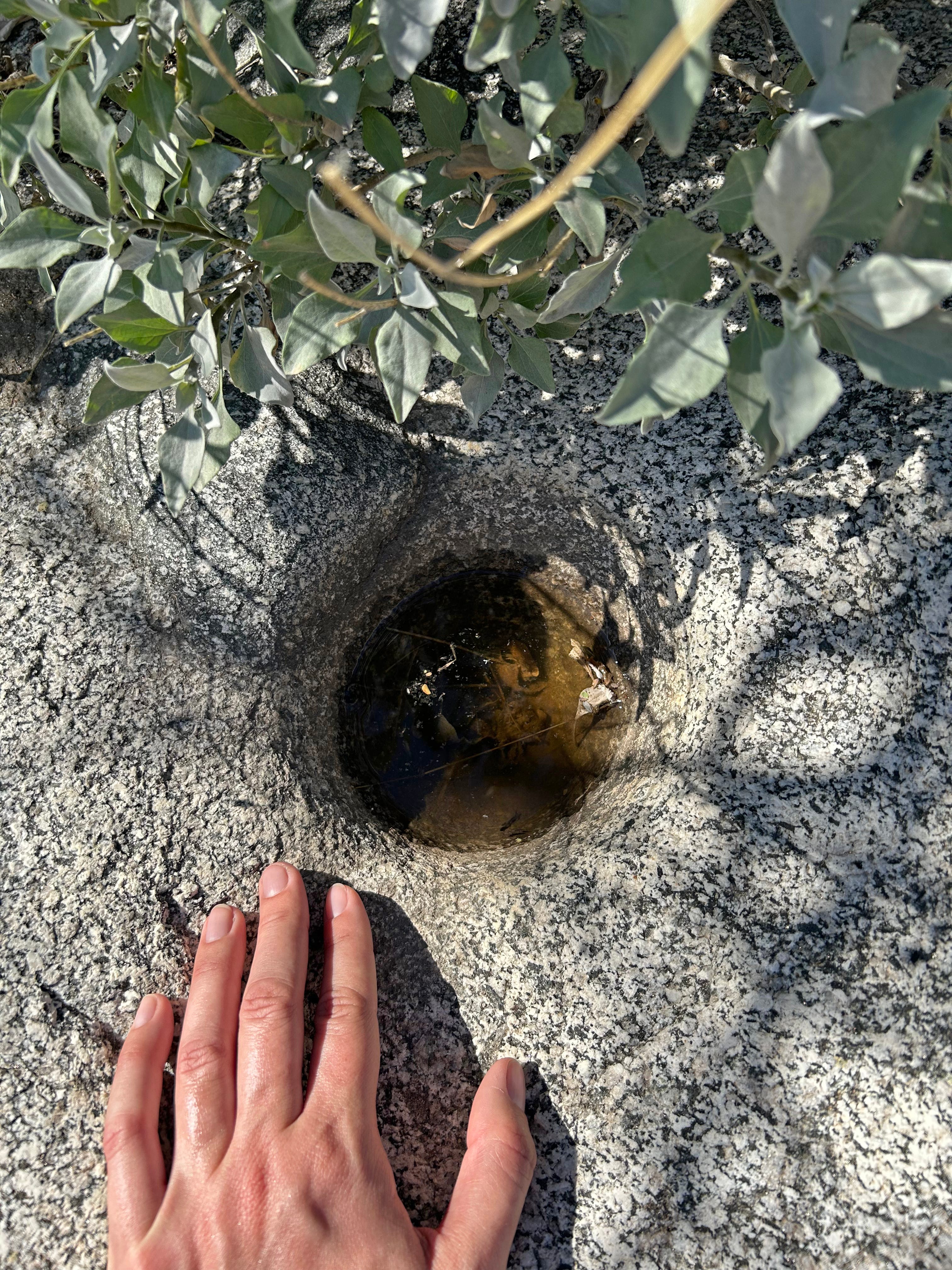
On these roads I’ve been heartbroken, elated, alone and in love with the world. In the quiet of nothing but a humming engine and the gusting wind through my windows, I’ve caught glimpses of myself from new angles, missed the dirt turnoff, gotten lost then found my way again amid old mine ruins and flowering ocotillo and desert lilies. I’ve stared into the badlands and they’ve stared back, both of us misunderstood, labeled as defiant or deficient—bad—simply for being what we are. “My Life Is in Ruins,” reads a bumper sticker on a dusty truck outside the Desert Pantry, “Discover Borregan Archaeology.” In groves of mesquite I’ve run my fingers over mortar stones, smooth as the spring-fed stream’s song tinkling alongside them. I’ve unearthed and turned over rocks and parts of myself, no clue what I’m looking at, but finding each piece beautiful, perfect in the true sense of the word.1 Parts which fit together, forming something which will never be finished, like history.
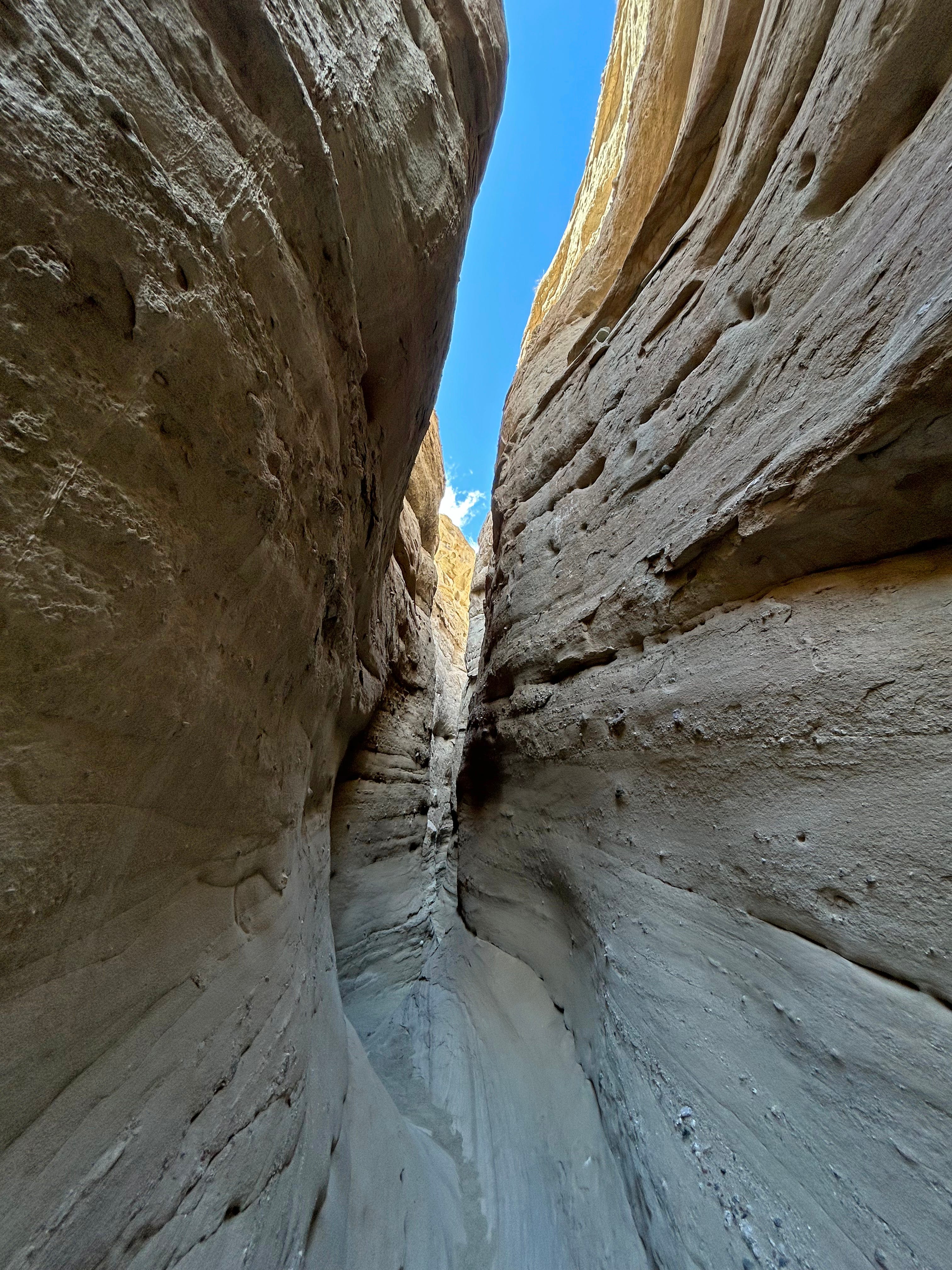
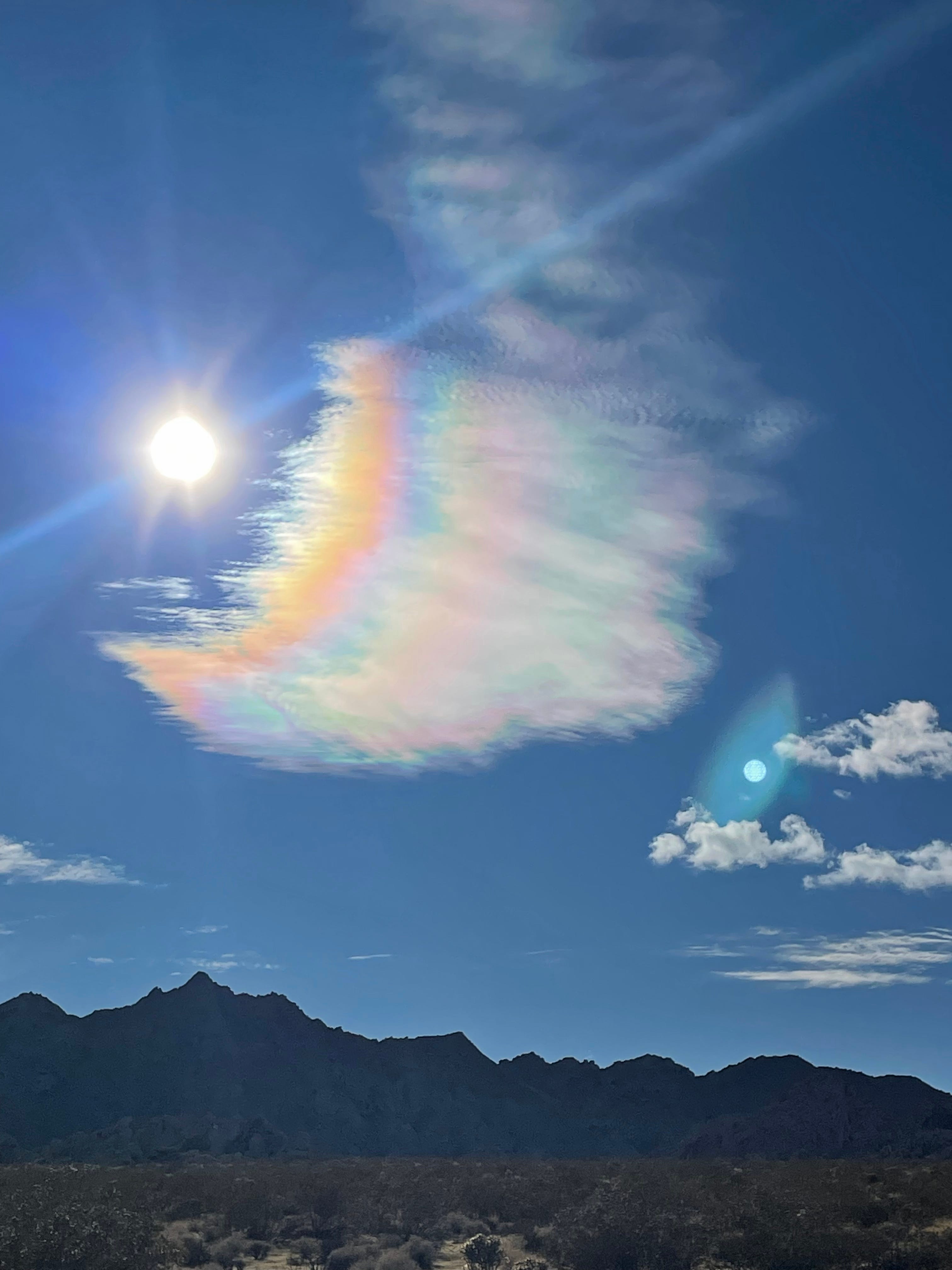
Sundogs glow from clouds flanking the sun, and with nowhere I need to be, I’ve followed them like beacons, both of our paths shaped by the rising wind—mine, off-trail, and the once-glowing clouds’ into thin air, into nothing; at least nothing I can see. The desert distorts your sense of scale, of perspective. It toys with time, stretches it across playas which must end somewhere, just nowhere I’ll ever reach. The slot canyon is completely—perfectly—dry, but it holds the memory of the water which shaped it. In a sliver of shade, hallucinating from heat, I think I can smell and hear it—running water. Memory, our sense for invisible history. I’ve stopped looking for proof everywhere, but some places it can still be found.
This place and I change at different paces, and when we meet, we are often unrecognizable. Familiar echoes ring through the valley, but fade as the ancient creosote shrubs get buried in blowing sand. Heat mirages reflect the sky like thin lakes, evaporating when I get close. The barren salt plains glow white like the desert primroses at dawn. The primroses’ petals seem delicate, but they flap like unfrayed canvas sails in the wind. Tiny bees cling to their anthers; to life. I cling tightly to the sources of sustenance which link me to this cherished existence, on this planet populated by immense pain and treasure in equal measure.
At times I feel I could float above this valley, soar with the ravens and fleeting sundogs. One day, I will. I hope I’ll be remembered like the sundogs live—here only briefly, but glowing in all the colors light can muster. Maybe while I’m here we’ll catch sight of each other across the sky, and for a moment wordlessly remember what bonds us, in this instant and forever. And then the light changes.
Thank you for reading Tinctoria, the monthly(ish) newsletter from me, Erin of Berbo Studio.
I’m happy to announce my next workshop, on Saturday, May 23rd at California Botanic Garden: Natural Dyes of the San Gabriel Foothills.
Keep in touch: Web ꩜ Instagram ꩜ Email
Latin, perfectus, “completed.”